

Home » Departments » Chancellor » Internal Audit
Internal Audit provides value-added audit and assurance, advisory, and investigative services in an independent, ethical and collaborative environment to the District and its colleges. Users of Internal Audit services include the Board of Trustees, management and staff, and other stakeholders. Internal Audit contributes to the District's mission by ensuring efficiency and effectiveness in risk management, control and governance. Internal Audit provides the Board of Trustees and senior management recommendations that streamline processes and eliminate inefficiencies.
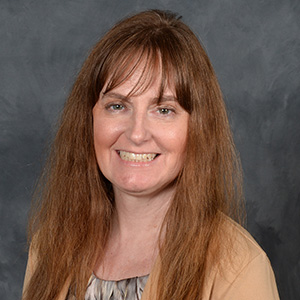
With a Master's degree in Public Administration from Arizona State University, Rachel started her career in internal investigations (retail), moved into skip trace collections (banking), and transitioned into the public sector performing operational work for a US Congressman. With additional experience in city government in such areas as community outreach, emergency management, and law enforcement, Rachel garnered operational experience at both the local and Federal levels. Rachel started an audit career with the Texas State Auditor's Office. Having worked in audit for state and local government, where she gained additional subject matter expertise in purchasing, contracts, hotel occupancy tax, social services, health care, and information technology, she was able to obtain several audit related certifications (CIA, CFE, CRMA, CICA). Rachel is active in professional organizations, serves as a speaker at events, and publishes articles in audit-related publications.
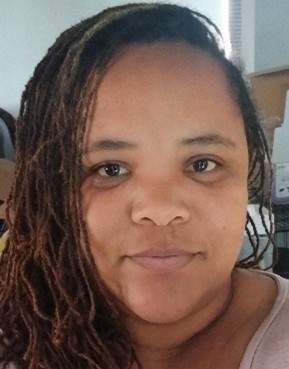
Armed with a bachelor's degree in business, Aurjonee likes to think of herself as a problem solver. She kicked off her career tackling private sector compliance at an accounting firm before shifting to high-impact public service at the Los Angeles Continuum of Care. This unique blend of corporate and mission-driven experience allows her to see the big picture and find creative solutions for complex scenarios. Aurjonee prides herself on translating dense, technical audit jargon into clear, practical steps that anyone can understand. With years of diverse experience, she knows how to navigate complex regulations without losing the human element. Instead of just checking boxes, she loves collaborating across teams to make processes smoother and smarter.
(714) 438-4753
agardner16@cccd.edu
Internal Audit offers various services that provide value to the District. Projects are categorized into four groups.
Overall, various types of projects as described above may be performed by the audit team as part of its Annual Strategic Audit Plan or as an impromptu engagement based upon risk, organizational necessity, or in response to an allegation of fraud, waste, or abuse.
Each project is comprised of the following three stages: